
Training hard but not seeing the results you expected?
Do you actually need protein supplements? Is creatine safe? Are omega-3s worth taking?
5/6/2026
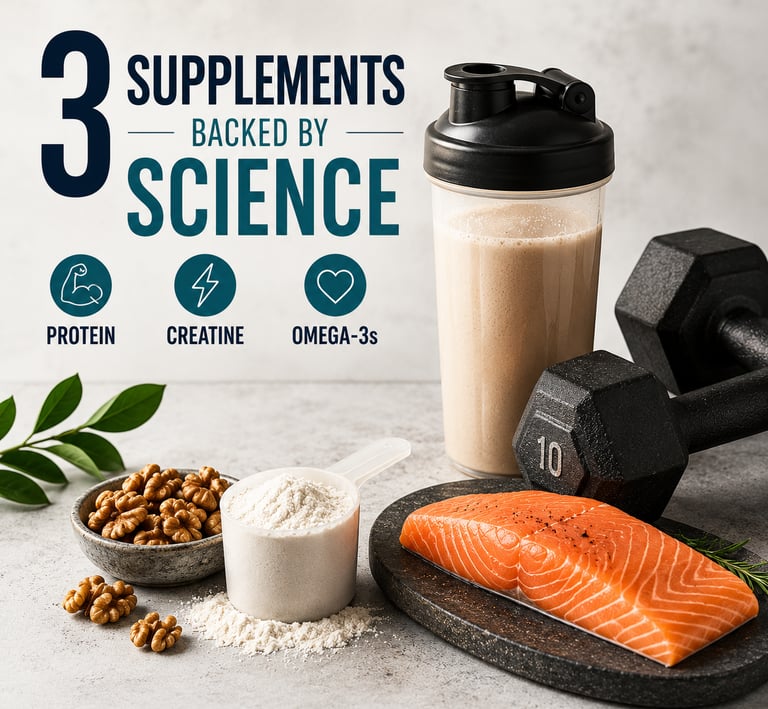
Want to get more from your training?
Getting the most from your training isn't just about exercise.
Nutrition matters too.
Although everyone's dietary needs and preferences are different, there are a few nutrients that can benefit most people. Three of the most well-researched are protein, creatine, and omega-3 fatty acids. If you're not already including them in your diet, or you're not getting enough, they may be worth adding to your shopping list.
1. Protein intake to support resistance training adaptations
Consistent training is the foundation of building muscle strength and size. However, without an adequate intake of protein to support the building and maintenance of lean tissue, we’ll never fully realise our potential.
The current recommended dietary allowance (RDA) for protein is 0.8 grams per kilogram of body weight, but this is more of a "minimum" dietary intake rather than an optimal level. Studies show that 1.2 grams would be a better target for adults.
Suggested daily protein intake:
Sedentary or recreationally active adults: 0.8 to 1.2 grams per kilogram of body weight per day
Active individuals and older adults: 1.2 to 1.6 grams per kilogram of body weight per day
Athletes or very active people: 1.6 to 2.2 grams per kilogram of body weight per day
Bodybuilders or people dieting/on an energy-restricted diet: 2.2 or more grams per kilogram of body weight per day
2. Creatine
Creatine is a natural substance made by the body from three building blocks called amino acids: methionine, arginine, and glycine. We naturally produce creatine in two main areas, the liver and the brain. Creatine is found throughout the body, including the heart, brain, and eyes, but about 95% is stored in the muscles.
Creatine helps muscles produce energy very quickly. It does this by helping the body make and recycle ATP (Adenosine di triphosphate) the main source of energy used by cells. This is especially important during short bursts of intense activity, such as sprinting or lifting weights. By helping muscles work harder during this type of exercise, creatine supplements can support gains in strength and muscle growth when combined with regular training.
Emerging evidence also points to the benefits of Creatine on brain function; specifically, when individuals are mentally fatigued, sleep deprived, or during times of aging.
Women and Creatine
When you hear the word Creatine you tend to think about the gym bro’s, lifting (and often grunting) to increase muscles. The reality is that women should also supplement as they’re susceptible to losing muscle mass, strength and bone density, specifically when postmenopausal.
Creatine Dosing Protocol
5 grams per day is the average global recommendation. It will take 21 days to fully saturate your skeletal muscles at this dose.
Is creatine safe?
Yes. Creatine is one of the best-studied supplements and is considered safe for most healthy adults.
There is no convincing evidence that creatine causes hair loss, and studies have not shown that it damages healthy kidneys, even with long-term use.
*People with existing kidney disease should seek medical advice before taking creatine.
Omega-3’s
Omega-3 fatty acids, particularly EPA and DHA found in oily fish and algae, are well known for supporting heart and brain health. They may also help reduce muscle breakdown and preserve muscle mass. While many people can get enough omega-3s through their diet, some may benefit from taking a supplement. This may be particularly useful for older adults, who often become less physically active with age, as well as people recovering from illness or injury who are unable to exercise regularly. In these situations, preserving muscle can help maintain strength and independence.
There is often confusion about omega-3 supplements because there are many different products and recommendations available. However, a large body of research suggests that getting enough omega-3s can support overall health and may help reduce the effects of ageing and long-term inflammation. Studies have also linked adequate omega-3 intake with a lower risk of conditions such as heart disease, dementia, and some autoimmune disorders.
Optimal Dosing of Omega-3’s
There is no standard optimal dose of omega-3s. Most healthy adults need 250–500 mg of combined EPA and DHA per day, although some people may benefit from higher amounts. Doses above 2 g/day should be taken with medical advice, as they may increase the risk of side effects. Some evidence suggests higher doses may support muscle health and recovery, but more evidence is needed to confirm their effects on muscle growth and immune function.
Supporting your journey through every life stage.
info@primeff.co.uk
© 2025. All rights reserved.